Which Is The Prettiest Fjord In Norway?
The honest answer to Norway's most argued travel question: which fjord is the prettiest, how the top contenders compare, and what to pick if you're short on time.
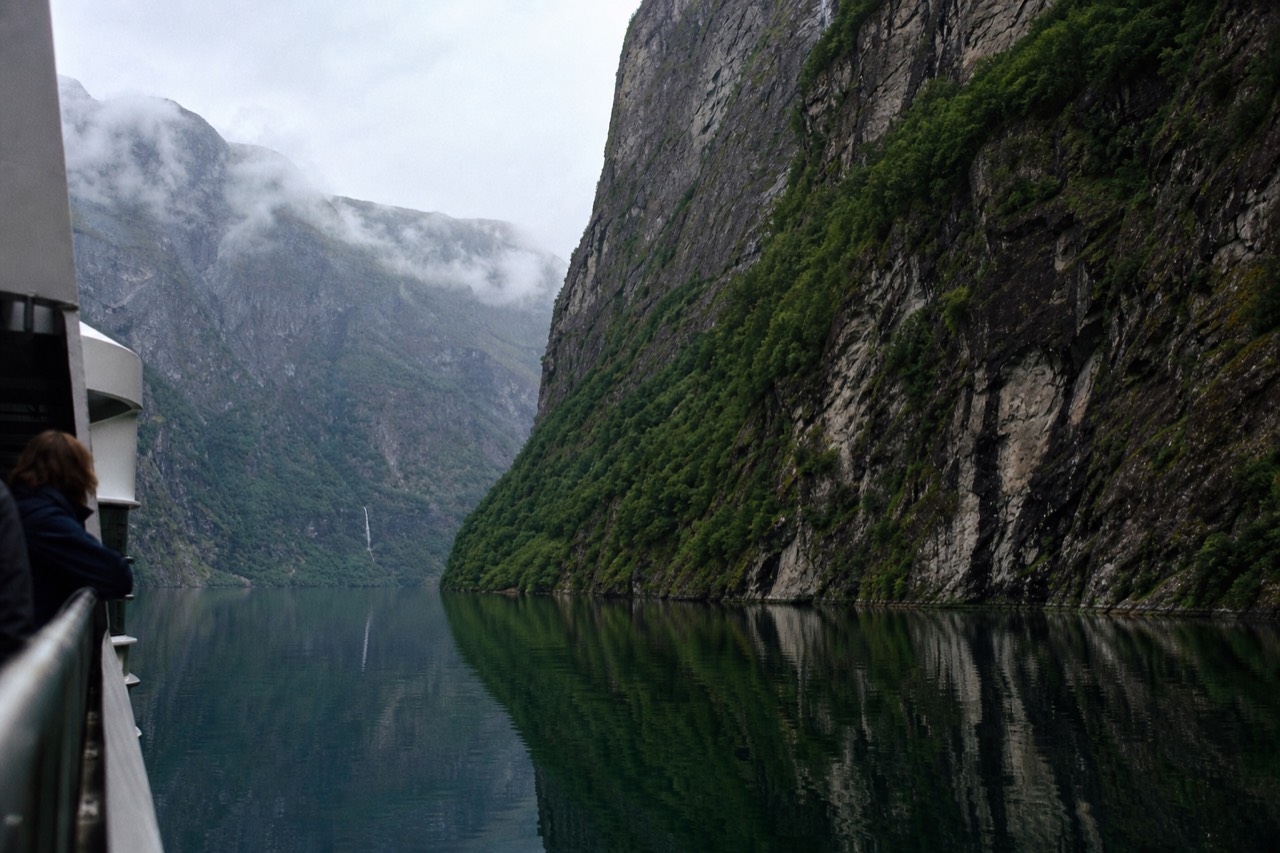
Norway has well over a thousand fjords, and roughly a dozen of them are world-famous, which is exactly why the question "which is the prettiest?" never settles. The two names that dominate every ranking are Geirangerfjord and Nærøyfjord, and they earned that status the hard way: both sit inside the West Norwegian Fjords landscape that UNESCO placed on its World Heritage List, which you can verify on the UNESCO World Heritage Centre's page for the property. But "prettiest" is not the same as "most famous," and depending on whether you want drama, softness, solitude, or something you can actually reach on a short trip, the right answer changes.
This site, Oslofjord Cruises, spends a lot of time on exactly that last category, because most travelers arriving in Norway land in the capital with limited days and a head full of western-fjord postcards. The gap between the fjord you dream about and the fjord you can actually sail is the most useful thing this article can help you close.
Which Fjord Do Rankings Usually Crown As Norway's Most Beautiful?
The most common answer is Nærøyfjord, the narrowest arm of the huge Sognefjord system in western Norway. Its cliff walls rise so steeply from the water that the fjord reads as a crack in the mountains rather than a valley, and that compressed, overwhelming scale is what most photographers and guidebooks mean when they say a fjord is "the prettiest." Geirangerfjord, its UNESCO-listed sibling, runs a very close second and wins on waterfalls.
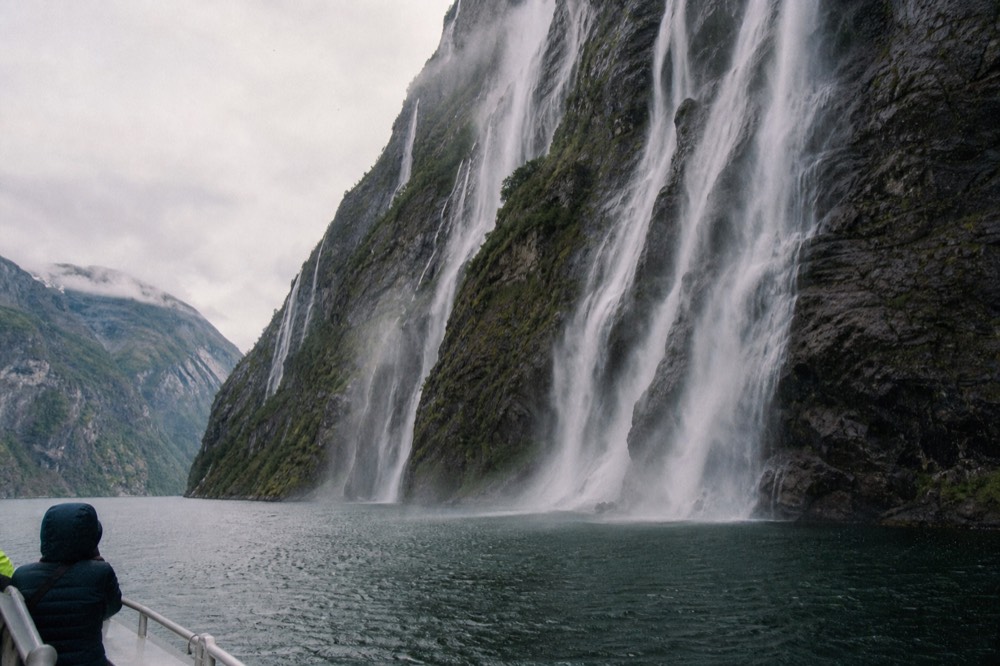
Those two are the headline acts, and almost every serious comparison comes down to a choice between them. Nærøyfjord is intimate. At its narrowest point the water is barely wider than a ferry, and the surrounding farms cling to ledges so improbable they look painted on. Geirangerfjord is theatrical: the Seven Sisters and other waterfalls tumble down its walls in long white threads, and the classic view from Flydalsjuvet overlook has been reproduced on so many postcards that it has become the visual shorthand for "Norway" worldwide.
The honest framing is this. If you want the most intense, narrow, vertical fjord experience, Nærøyfjord is the pick. If you want the most iconic, waterfall-studded panorama, Geirangerfjord is the pick. Neither is objectively prettier, they are just beautiful in different registers, and travelers who visit both almost never agree on a winner.
There's a practical difference too. Geirangerfjord absorbs enormous cruise-ship traffic in summer, and standing on its shore you will often share the view with several thousand people arriving the same morning. Nærøyfjord sees far fewer large vessels, partly because its narrowest stretches simply cannot take them, so the silence there feels more earned. If crowd levels matter to your definition of beauty, that tips the argument.
It's worth being blunt about one more thing: no ranking you read, including this one, is a substitute for standing on the water. Fjords are big in a way photographs flatten. The walls of Nærøyfjord don't just look tall, they change the air around you, and the temperature drops in their shadow. Reviews from travelers who sailed Geirangerfjord often mention the moment the ship turns into the fjord and the cliffs close in behind it, a sensation no overlook reproduces. Whatever the guidebooks crown, the crown is decided on deck, not on paper.
If your trip starts or ends in Oslo rather than Bergen or Ålesund, the calculus shifts again, because the famous western fjords are a long way from the capital. That distance question comes up constantly, and we cover it in detail in which fjord is closest to Oslo. The short version: the Oslofjord you can cruise in an afternoon is not the same kind of landscape as Geiranger or Nærøy, but it is the one you can actually reach without burning two days of a short itinerary on trains and ferries.
Is Geirangerfjord Or Nærøyfjord Actually The Better Pick?
For most first-time visitors with limited days, Geirangerfjord is the more practical choice: it is easier to combine with road routes like the Geiranger road-trip route, and its viewpoints are accessible by car and bus, not just by boat. Nærøyfjord rewards travelers who commit to a boat or kayak trip into its narrowest reach, and that commitment is precisely why it feels wilder and quieter than Geiranger.
The decision usually hinges on how you want to experience the water. Geiranger can be admired from above without ever getting on a boat, which is why it suits road-trip itineraries and travelers who want maximum scenery per hour of effort. Nærøyfjord really only reveals itself from the water: the fjord's character is its enclosed, winding channel, and from a deck or a kayak seat the walls seem to rotate around you with every bend in a way that no roadside overlook can reproduce.
Season matters as well. In peak summer both fjords are busy, but Geiranger's small village swells dramatically on days when multiple ships call, while Nærøyfjord's boat traffic from Flåm and Gudvangen is steadier and smaller in scale. In shoulder seasons, late May or early September, both quiet down considerably and the light gets softer, which is a point we expand on in the best month to visit the fjords.
There's also a case for skipping the famous pair entirely. Hardangerfjord, just south of Bergen, is softer and greener, famous for fruit orchards that bloom along its shores in spring, and it delivers a gentler, more pastoral beauty that many visitors end up preferring to the sheer drama of the UNESCO pair. Lysefjord near Stavanger offers the Preikestolen plateau above the water, a single overwhelming viewpoint attached to a fjord that is otherwise blissfully under-visited compared with the big two.
The pattern to notice: Norway's "prettiest fjord" arguments are really arguments about what kind of beauty you're shopping for. Narrow and overwhelming, iconic and accessible, soft and pastoral, or raw and quiet. Name the register and the fjord picks itself.
A useful tiebreaker is how you travel. If you're driving, Geirangerfjord slots into the classic western loop with mountain roads and ferry crossings, and the fjord becomes one scene in a rolling panorama. If you're riding the railway, Nærøyfjord pairs naturally with the Flåm line, one of the most scenic train journeys in Scandinavia, dropping you almost at the water's edge for a boat trip through the narrows. Neither fjord rewards a rushed half-day, so build the surrounding transit into your expectations before you commit.
What Does "prettiest" Even Mean When You're Comparing Fjords?
Fjord beauty comes down to four measurable things: the steepness and height of the walls, the width of the water, the presence of waterfalls and snowfields feeding them, and how much of the scene you can take in from the water itself. Narrow fjords with high walls feel dramatic; wide fjords with gentle shores feel calm; and the fjords that rank highest combine vertical relief with something alive on the walls, whether that's waterfalls, farms, or hanging valleys.
The comparison table below is how we'd frame the shortlist if you forced us to rank them. Treat the "best for" column as the real answer, because that's where the honest matching happens.
| Fjord | Region | Character | Best for |
|---|---|---|---|
| Nærøyfjord | Sognefjord system, western Norway | Extremely narrow, steep walls, quiet water | Boat or kayak trips, photographers, solitude seekers |
| Geirangerfjord | Sunnmøre, western Norway | Iconic waterfalls, famous viewpoints, busy in summer | Road trips, first-time visitors, classic postcard scenes |
| Hardangerfjord | South of Bergen | Softer, greener, orchards and gentle shores | Spring blossom, calmer itineraries, families |
| Lysefjord | Near Stavanger | Raw, rocky, dramatic plateau above the water | Hikers, Preikestolen, fewer crowds than the big two |
| Oslofjord | Capital region | Wide, island-dotted, forested shores | Short trips from Oslo, city-plus-water combos |
One thing the table hides: water is the common thread. Every fjord on it is best understood from a boat, because fjords are, by definition, drowned valleys, and their geometry only makes sense from the surface looking up. Roadside overlooks give you a fjord as a picture; a deck gives you the fjord as a place, with the scale of the walls moving past you and the sound of waterfalls reaching you across open water.
That's also why the question "prettiest" so often resolves into "which fjord cruise should I take," and if you're weighing the big western voyages against what's available from the capital, our comparison in the best cruise to visit the fjords in Norway walks through the trade-offs in detail.
Which Fjord Is Prettiest If Your Trip Starts In Oslo?
Realistically, the prettiest fjord you can experience from Oslo in a single day is the Oslofjord itself, not because it competes with Geiranger's cliffs but because it's the only one you can genuinely cruise without adding overnight travel. Western fjords require substantial travel from the capital; one bookable rail-and-cruise roundtrip lasts about 22 hours and returns by overnight train, so for short trips the honest choice is a beautiful fjord you'll actually see versus a world-famous one you'll only reach with serious planning.
This is the point where a lot of fjord advice quietly fails travelers. The western classics are worth the journey, no question, but the journey is real: from Oslo you're looking at long train and bus connections or a Bergen detour before any boat leaves the dock. If your Norway trip is three or four days anchored to the capital, committing two of them to transit for one fjord view is a poor trade when the Oslofjord offers islands, wooded headlands, and proper maritime atmosphere within easy reach of your hotel.
And the Oslofjord is not a consolation prize. Its inner reaches are dotted with islands you can sail past on a lazy afternoon, its shores are thick with Norwegian forest right down to the waterline, and in the long summer light an evening on the water here is genuinely lovely in a way the postcard fjords, with their coach parks and queues, sometimes aren't. There's a reason locals treat this fjord as their own backyard rather than a tourist attraction: it holds up to repetition, which is a stricter test than any one-time visit.
The practical read: if Norway is your one big trip and you have a week, go west and see Nærøyfjord or Geirangerfjord properly. If Oslo is your base and your time is short, sail the Oslofjord while you're here and save the western fjords for a trip with the days they deserve. Plenty of travelers do both in one visit by treating the Oslo sailing as the easy local fjord experience and the western detour as the centerpiece.
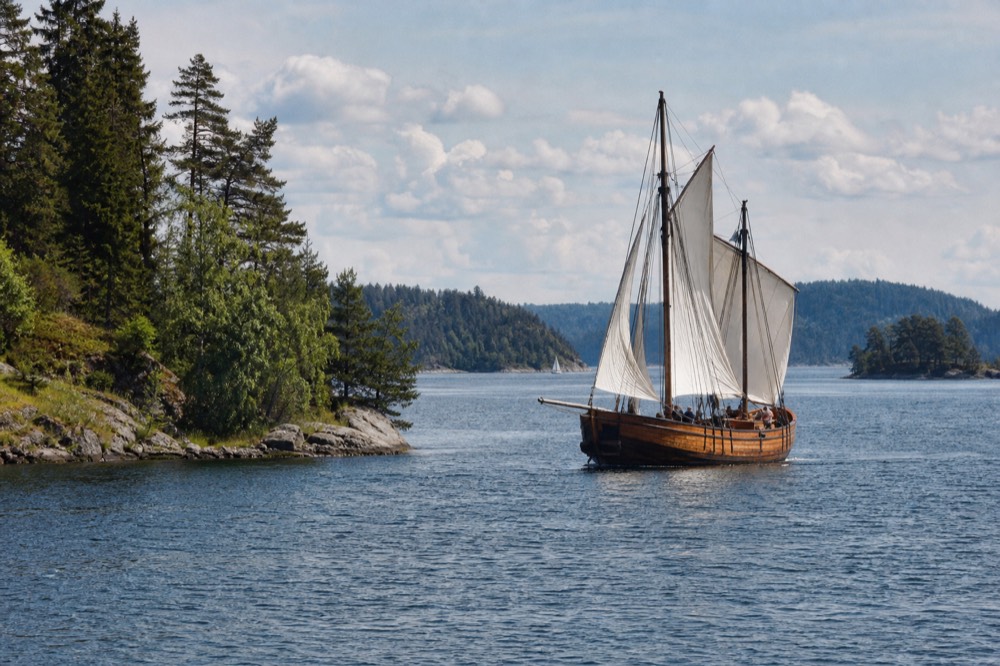
For the local part, the two standout choices from the capital are the guided cruise on a premium silent electric boat, which glides through the inner fjord without engine noise, and the traditional wooden sailing ship, which gives you the classic Norway-on-the-water feel.
A few timing notes help you pick between them. The silent electric cruise runs as a 2-hour loop through the inner fjord, and the traditional wooden sailing sightseeing cruise is also listed as two hours. Both depart from central Oslo, which keeps the whole outing to a half-day at most and leaves room for an evening elsewhere in the city. If you want the fjord experience and a meal in one sitting, the 4-hour dinner cruise handles both.
One honest caveat: the Oslofjord is a wide, island-studded waterway, not a narrow cliff-walled channel, so set expectations accordingly. What you get instead is forested shorelines, summer houses, and working maritime traffic that feels lived-in rather than staged. For a short, Oslo-based trip, that trade is usually the right one, and the strong ratings across all three products suggest most travelers agree.
Can You Judge A Fjord's Beauty From A Cruise In One Visit?
Mostly yes, because fjord beauty is structural, the walls, the width, the waterfalls don't change with the weather, but light and season will swing your impression dramatically. A famous fjord under flat gray skies can feel underwhelming, while a modest one in golden evening light can feel like the best place on earth, so the biggest upgrade to any fjord cruise is choosing your hour and season well.
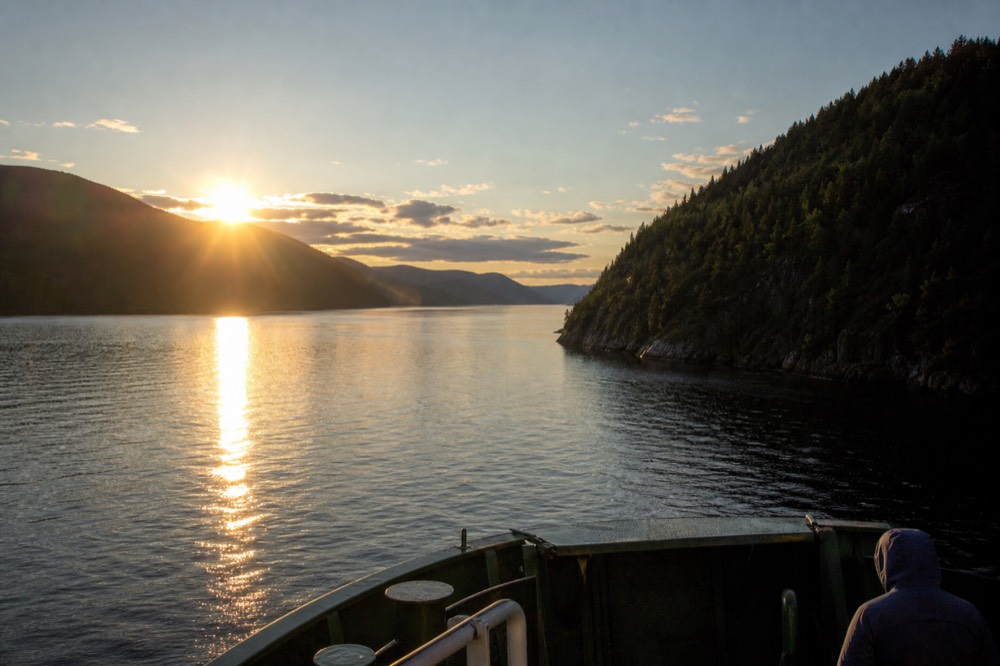
This is why the same fjord produces wildly different reviews. A traveler who sailed Geirangerfjord in drizzle writes "nice but overrated"; one who sailed it in clear July light calls it the highlight of a lifetime. Neither is wrong. The rock did not move between their visits, the light did. When you're planning, the season and time-of-day question deserves as much attention as the which-fjord question, and Norway's summer light is generous: evening cruises in June and July sail in daylight absurdly late, which is why the sunset and dinner departures out of Oslo are so popular.
The vessel matters more than people expect, too. A silent electric boat lets you hear waterfalls and birdsong across open water, which changes how a fjord feels even more than how it looks. A traditional wooden sailing ship adds texture, creaking timber, canvas, the smell of tar, that makes the maritime history of these waterways part of the experience. In Oslo both options exist, which is unusual, and it makes the capital a good place to learn which style of fjord day you prefer before you commit serious money to a western itinerary.
Whatever you book, keep one planning rule in mind: the prettiest fjord in Norway is the one you see in good light, from the water, with enough time to let the walls do their slow work on you. Rankings are a starting point for that, never a substitute.
Common Questions About The Prettiest Fjords In Norway
Nærøyfjord tops most rankings as the prettiest fjord in Norway, while Geirangerfjord stands out as the most accessible icon, famous worldwide and easy to reach by cruise or road. If you are short on time, the Oslofjord is the prettiest fjord you can actually sail on a short trip from the capital. The details below cover the questions travelers ask most when they're trying to pick.
Which is the prettiest fjord in Norway?
Most rankings and guidebooks give the edge to Nærøyfjord, the narrowest branch of the Sognefjord, for its overwhelming vertical walls and quiet water, with Geirangerfjord a very close second on the strength of its famous waterfalls. Both are UNESCO-listed, and travelers who see both rarely agree on a winner, because they are beautiful in different ways.
Is Geirangerfjord worth the crowds?
For most first-time visitors, yes. Geirangerfjord's waterfalls and viewpoints are iconic for good reason, and its scenery is accessible by road as well as by boat, which makes it practical for road-trip itineraries. Arrive early in the day or travel in late May or September to dodge the peak cruise-ship traffic.
What is the most beautiful fjord near Oslo?
The Oslofjord itself. It lacks the sheer cliffs of the western fjords, but its forested shores, islands, and long summer light make it the prettiest fjord you can genuinely cruise on a short trip from the capital, and reaching the western classics requires substantial travel; a verified 22-hour package includes an overnight return train to Oslo.
Is Nærøyfjord better than Geirangerfjord?
Nærøyfjord is narrower, quieter, and best experienced from the water on a boat or kayak trip out of Flåm or Gudvangen. Geirangerfjord is more accessible, more famous, and busier. If you want solitude and raw scale, choose Nærøy; if you want the classic postcard panorama with easy access, choose Geiranger.
Can you see a real fjord on a day trip from Oslo?
Yes, the Oslofjord, on cruises ranging from an hour and a half to a full 4-hour dinner sailing. The UNESCO-listed western fjords are not realistic as a same-day return from the capital, so for short trips the choice is between a beautiful afternoon on the Oslofjord or building overnight travel into your plan.
What is the best time of day for fjord photography?
Evening, in almost every case. Norwegian summer light stays strong late into the day, and the low golden hours add depth to the fjord walls that midday sun flattens. Evening and sunset departures are popular in Oslo for exactly this reason, and the same logic applies to the western fjords.
Match The Day To Your Plans And Compare Costs
Editorial starting point. Confirm your party's age, access needs and departure details on the listing.
Geiranger: Fjord & Waterfalls Sightseeing Cruise 75 min & 2h: Geirangerfjord sightseeing cruise; Downloadable audio guide 75 minutes or 2 hours, depending on the option. Geiranger pier; exchange ticket at tourist information office and arrive 10 minutes early; option-specific point; Geiranger sightseeing cruise; confirm return pier in booked option. Mobility/age suitability not established; confirm with operator
Self-Guided 22-Hour Round Trip From Oslo To Sognefjord With Flåm Railway: Bergen Railway; Flåm Railway itinerary; Aurlandsfjord and Nærøyfjord cruise; Connecting bus; Sleeping compartment only if selected 22.0 hours. Oslo Central Station, Jernbanetorget 1; arrive 20 minutes before ticketed departure; Oslo Central Station after overnight return train. Nonrefundable. Train tickets are subject to confirmation, which may take up to 48 hours; departure time may change. Confirm accessibility and infant arrangements for every connection.
Guided Sightseeing Cruise on Oslofjord by Premium Silent Boat: English live guide; warm indoor viewing; food and drinks extra About 2–2.5 hours; confirm the selected departure. Rådhusbrygge 2, Oslo; arrive 15 minutes early; return to Oslo. Confirm party ages, mobility requirements and the exact departure on the selected listing.
Compare Your Actual Quotes
Use the same currency for both totals, including transport, meals and activities. This compares your quotes, not live prices.
Compare transport, included meals, guiding and time arranging connections.